In a world where we store our entire lives on laptops, phones, and cloud accounts, cybersecurity has never been more important. Yet many people believe that modern operating systems protect them “well enough” without the need for dedicated antivirus software. Unfortunately, that assumption is one of the biggest risks individuals and businesses face today.
Antivirus software has evolved far beyond simply detecting old-school viruses. Today, it’s a core layer of defence against modern threats—threats that are constantly changing, smarter than ever, and designed to slip past basic system protection.
Here’s why having strong antivirus protection in 2025 isn’t optional it’s essential.
1. Cyber Threats Are More Sophisticated Than Ever
Cyberattacks today use advanced techniques like:
AI-generated phishing emails
Fileless malware that hides in memory (making it harder for built-in tools to detect)
Ransomware that encrypts your files within seconds
Zero-day attacks against newly discovered software vulnerabilities
Basic operating system security can catch some threats, but it cannot match the speed and intelligence of modern, fully-featured antivirus solutions.
2. Built-In Protection Isn’t Enough
Whether you use Windows, Mac, or Android, each has some level of built-in security—but these offer baseline protection, not full protection.
Dedicated antivirus suites add:
Real-time threat monitoring
Behaviour-based detection (spotting suspicious activity even when no virus signature exists)
Web protection and malicious URL blocking
Email scanning
Ransomware protection
Safe banking modes
Identity theft monitoring (in paid plans)
This layered protection is what stops threats before they do damage.
3. Ransomware Is Still the Number One Threat
Ransomware has grown massively over the last decade. Cybercriminals target:
Home users’ personal photos and files
Small businesses
Remote workers
Cloud accounts
Company servers
Once infected, attackers demand huge sums to “unlock” your data and paying offers no guarantee you’ll get it back.
Modern antivirus tools use real-time monitoring to stop ransomware encryption before it starts.
4. Online Scams Are Increasing – Antivirus Helps Catch Them
Phishing, fake shopping websites, and dangerous downloads are everywhere. Antivirus software helps by:
Blocking malicious websites
Warning you about insecure apps
Detecting unsafe browser extensions
Scanning email attachments before you open them
This is a vital safeguard for everyday internet users.
5. Your Devices Store More Sensitive Data Than Ever
Just think about what’s on your computer or phone:
Banking details
Passwords
Work documents
Photos
Private messages
Saved credit cards
Email accounts
Personal identity information
Losing access—or having that data stolen can cause long-term financial and emotional damage.
Antivirus software monitors your system constantly to ensure nothing threatens your data.
6. Antivirus Works Alongside Backups and Firewalls
Good cybersecurity isn’t just about one tool it’s a complete system.
Antivirus software supports:
Cloud backups
Local backups
Password managers
Firewalls
VPNs
Identity protection tools
Together, these create a strong, layered defence that protects your digital life from every angle.
7. It’s Cheap Protection Compared to the Cost of an Attack
The cost of a good antivirus subscription is tiny compared to the damage caused by:
Losing years of documents or photos
Fraudulent purchases
Stolen identity
Paying ransom demands
Replacing compromised devices
Business downtime
For most users, antivirus costs less than a coffee per month and the value it provides is enormous.
Final Thoughts: Antivirus Is a Must-Have, Not an Option
As cyber threats continue to evolve, antivirus software remains one of the most powerful and affordable layers of digital protection. Whether you’re a casual home user, remote worker, or running a business, having up-to-date antivirus security is essential to keeping your data, privacy, and devices safe.
Protecting yourself today saves a lot of trouble tomorrow.
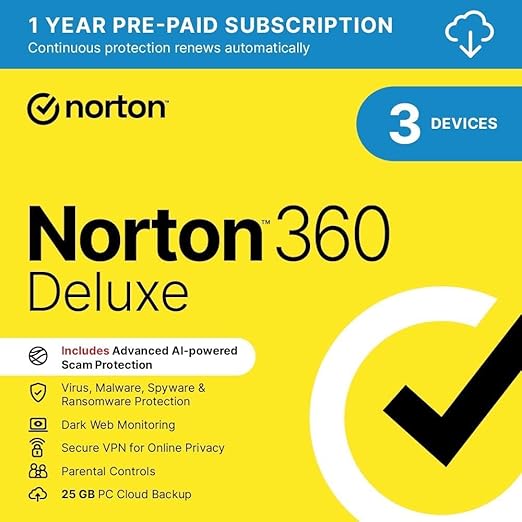
Here are some cheap options to keep alittle safer.

Comments